
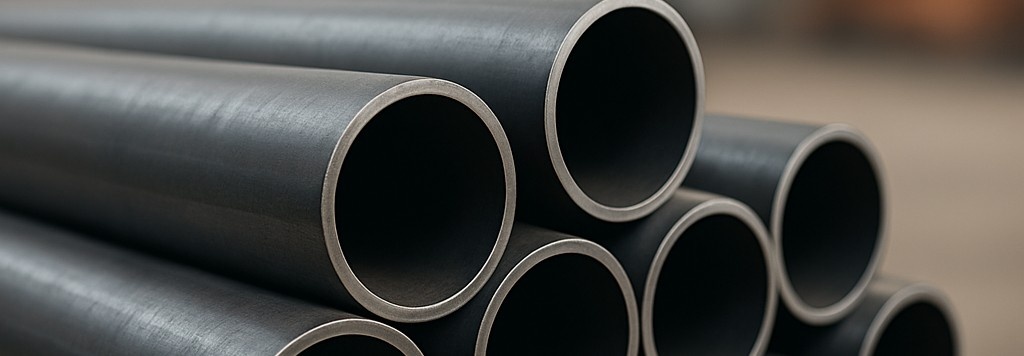
One of the most widespread materials of industrial, commercial, and residential pipes includes Carbon steel pipes. There are various advantages which they possess; nevertheless, there are also some drawbacks in relation to other materials, such as stainless steel, PVC, copper, or aluminum. Knowing these advantages and disadvantages will enable you to select a suitable piping solution which best suits your needs.
The mechanical performance of carbon steel pipes is great; thus, they can be used in areas that require high pressure and temperature. They are able to resist harsh conditions without becoming deformed or broken.
Cost-EffectiveCarbon steel is cheaper compared to stainless steel or copper and as such, it is used in large projects where the budget is important.
Wide AvailabilityPipes made of carbon steel exist in numerous sizes, thicknesses, and grades, and this fact creates flexibility in a wide range of applications.
Good Weldability and FabricationCarbon Steel pipes are very popular because of good fabrication properties and ease of welding. Their rather simple chemical composition allows them to be welded in common welding processes such as SMAW, GTAW, and GMAW, frequently without preheating and special processing.
This presents carbon steel pipes as very versatile in both construction and industrial setups that require strong and watertight connection of joints. Also, carbon steel is easy to cut, bend, and shape, and is ductile and machinable, allowing fabricators to support custom designs and sophisticated piping layouts. Such benefits of fabrication lead to reduced project costs and quick installation.
VersatilityThey have a wide range of uses in the oil and gas industry, construction businesses, water transportation lines, and HVAC applications among others; carbon steel pipes have a high degree of reliability in most environments.
As compared to stainless steel or plastic pipes, carbon steel will rust and corrode in the presence of moisture and chemicals unless it is treated well.
Lower Resistance to ChemicalsAlthough the pipes made out of carbon steel are stronger and less expensive, they are less resistant to some chemicals in comparison to other types of steel or special alloys. Carbon steel is specifically prone to decay and corrosion in acidic, alkaline, or highly acidic compounds like hydrochloric acid and sulfuric acid, or even in highly corrosive mediums like chloride.
In the absence of appropriate protective coatings or linings, these pipes are susceptible to pitting, rusting, and eventual failure. Thus, due care should be taken regarding the operating environment, using corrosion inhibitors or shielding when faced with chemically aggressive environments to increase the carbon steel piping life.
Requires Regular MaintenanceTo prevent corrosion and prolong life, carbon steel pipes often need protective coatings, cathodic protection, or frequent inspections.
Carbon steel pipes offer an all-around combination of strength, economical feasibility, and diversity, and are hence so popular in various industries. Nonetheless, alternative materials may be superior in case weight, corrosion resistance, and chemical compatibility are of crucial importance. Critically evaluate your needs at application conditions to make optimized piping materials selection.
