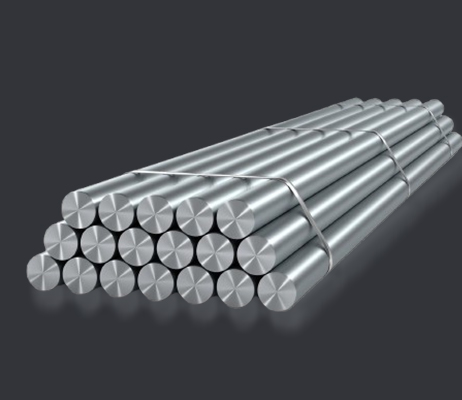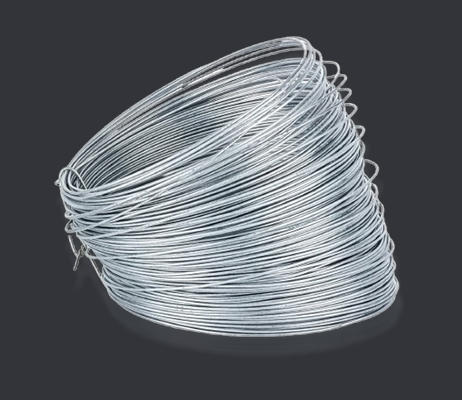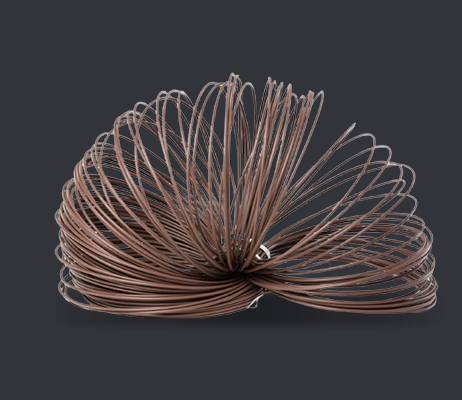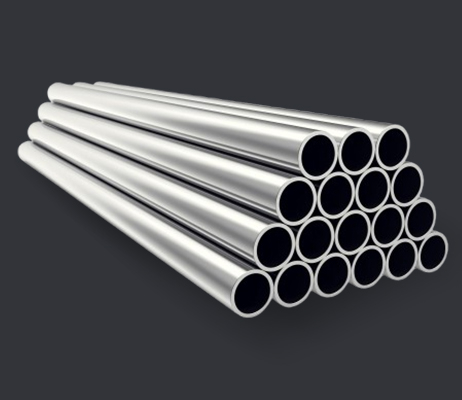
Virami Steel Hub is a trusted manufacturer, supplier, stockist, and exporter of premium-quality Aluminium Alloy 7075 Filler Wire in Mumbai, India. We supply high-performance aluminium welding filler wires designed to deliver exceptional mechanical strength, structural reliability, and consistent welding performance in demanding industrial applications.
Our Aluminium Alloy 7075 filler wires are manufactured using premium aluminium-zinc-magnesium alloys and advanced production technologies to ensure accurate chemical composition, superior welding characteristics, and excellent dimensional consistency. These filler wires are widely used in welding applications where high strength, durability, and resistance to mechanical stress are essential.
With a strong distribution network and efficient logistics system, Virami Steel Hub supplies Aluminium Alloy 7075 filler wires across India and exports globally to countries in the USA, Europe, the Middle East, Africa, and Southeast Asia. Our products comply with international quality standards, ensuring reliable welding performance and long service life in demanding industrial environments.
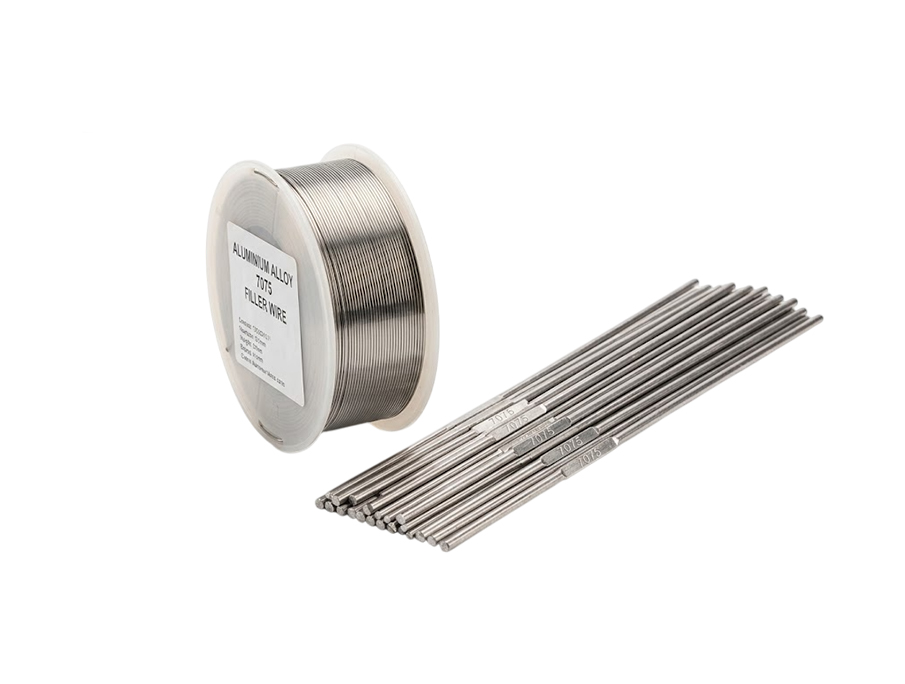
Aluminium Alloy 7075 Filler Wire is a high-strength aluminium welding wire belonging to the 7xxx series aluminium alloys, which are primarily alloyed with zinc. These alloys are widely known for their exceptional strength-to-weight ratio and superior mechanical performance.
The alloy composition mainly includes aluminium, zinc, magnesium, and copper, which together provide excellent strength, hardness, and fatigue resistance. Aluminium Alloy 7075 is considered one of the strongest aluminium alloys available and is widely used in high-performance engineering applications.
Aluminium Alloy 7075 filler wire is commonly used for welding 7075 aluminium alloy components and compatible high-strength aluminium alloys used in structural applications. It is widely used in industries such as aerospace, defense, automotive, transportation, and high-performance engineering.
Due to its exceptional strength and lightweight properties, Aluminium Alloy 7075 filler wire is widely preferred for welding components that require high structural integrity and durability.
Key Features of Aluminium Alloy 7075 Filler Wire
Aluminium Alloy 7075 filler wires offer several advantages that make them suitable for demanding welding applications.
These characteristics make Aluminium Alloy 7075 filler wire ideal for welding high-strength aluminium components used in aerospace and engineering industries.
The typical chemical composition of Aluminium Alloy 7075 filler wire includes the following elements:
| Element | Composition (%) |
|---|---|
| Aluminium (Al) | Balance |
| Zinc (Zn) | 5.1 – 6.1% |
| Magnesium (Mg) | 2.1 – 2.9% |
| Copper (Cu) | 1.2 – 2.0% |
| Chromium (Cr) | 0.18 – 0.28% |
| Silicon (Si) | 0.40% maximum |
| Iron (Fe) | 0.50% maximum |
| Manganese (Mn) | 0.30% maximum |
| Titanium (Ti) | 0.20% maximum |
Role of Key Alloying Elements
The balanced composition of these elements ensures exceptional mechanical performance and structural durability.
Aluminium Alloy 7075 filler wires offer excellent mechanical performance and structural reliability.
These mechanical properties ensure welded joints maintain high strength and durability under mechanical stress.
Aluminium Alloy 7075 filler wires possess stable physical characteristics suitable for structural welding applications.
These properties contribute to efficient heat transfer and reliable welding performance.
Aluminium Alloy 7075 filler wire provides moderate corrosion resistance compared to some other aluminium alloys.
It offers resistance to:
However, Aluminium Alloy 7075 components are often anodized or coated to improve corrosion resistance, especially in harsh environments.
Due to its exceptional strength, Aluminium Alloy 7075 filler wire is widely used in aerospace and high-performance structural applications.
Aluminium Alloy 7075 filler wire is commonly used with heat-treated aluminium alloys to achieve maximum mechanical strength.
Solution Heat Treatment
Artificial Aging
These heat treatment processes significantly enhance the alloy’s mechanical performance.
Aluminium Alloy 7075 filler wire has moderate weldability due to its high strength and alloy composition.
Common welding methods include:
Welding Recommendations
Following these guidelines helps produce strong weld joints with good structural integrity.
Aluminium Alloy 7075 has excellent machinability due to its high strength and hardness.
Recommended machining practices include:
These practices help achieve accurate machining and high-quality surface finishes.
Virami Steel Hub supplies Aluminium Alloy 7075 filler wires according to internationally recognized standards.
Available Sizes
Surface Finish
Custom sizes and packaging options are available based on industrial requirements.
Aluminium Alloy 7075 filler wire is widely used across several industries due to its exceptional strength and durability.
Aerospace Industry
Defense Industry
Automotive Industry
Transportation Industry
Industrial Engineering
These applications highlight the reliability and strength of Aluminium Alloy 7075 filler wire in demanding industrial environments.
At Virami Steel Hub, every batch of Aluminium Alloy 7075 filler wire undergoes strict quality testing procedures to ensure compliance with international standards.
Quality checks include:
We provide Mill Test Certificates (MTC) according to ASTM and AWS standards, and third-party inspection services are available upon request.
Virami Steel Hub ensures secure packaging and reliable delivery for all orders.
Our logistics network ensures safe transportation and timely delivery across domestic and international markets.
Aluminium Alloy 7075 Filler Wire is a high-performance welding material known for its exceptional strength, lightweight characteristics, and structural reliability. It is widely used in industries such as aerospace, defense, automotive, transportation, and high-performance engineering.
Virami Steel Hub supplies premium-quality Aluminium Alloy 7075 filler wires manufactured according to international standards, ensuring reliable welding performance, structural integrity, and long service life in demanding industrial applications.