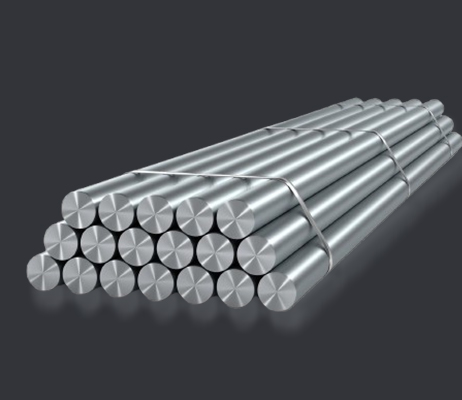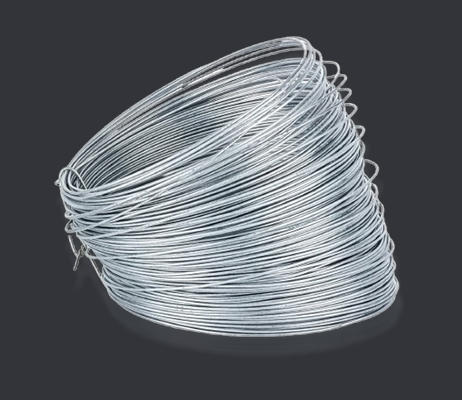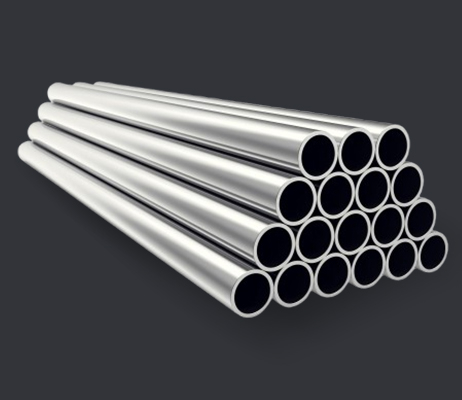
This alloy ASTM A182 / UNS S32750 is otherwise commercially known as 2507 Super Duplex Stainless Steel. It is intended for use in process plant and other applications requiring superior corrosion resistance and mechanical strength and is a member of the super duplex family of stainless steels that have a well-balanced dual-phase microstructure containing close to equi-atomic proportions of ferrite and austenite.
2507 has better and robust resistance to erosion corrosion, pitting, crevice corrosion, and stress corrosion cracking with very severe environments especially that have chlorides and corrosive chemical content. High contents of chromium, nitrogen, and molybdenum improved the corrosion and mechanical performance more than the standard duplex grades; that is, 2205.
High Strength: Provides twice the yield strength of austenitic grades like 316 and 304, enabling lightweight and cost-effective designs.
It possesses good localized corrosion resistance, including all forms of SCC, in marine and chemical environments.
Temperature Resistance: There is good performance at low temperatures and moderate to high operating pressures.
Toughness The combination of strength and toughness along with ductility makes it useful for hard industrial applications.
The alloy ASTM A182 / UNS S32750 is also known as 2507 Super Duplex Stainless Steel, a two-phase alloy having ferrite content approximately equal to austenite. Its above-average corrosion resistance along with high mechanical strength makes microstructure particularly suitable for extreme environment.
2507 Super Duplex High chromium content at 25%, as well as contents of molybdenum at 4% combined with nitrogen enhance resistance to chloride-rich aggressive chemical environments against pitting, crevice corrosion, and stress corrosion cracking. The application of the alloy is only covered within the specification by ASTM A182 as forged or rolled steel for applications at high temperatures.
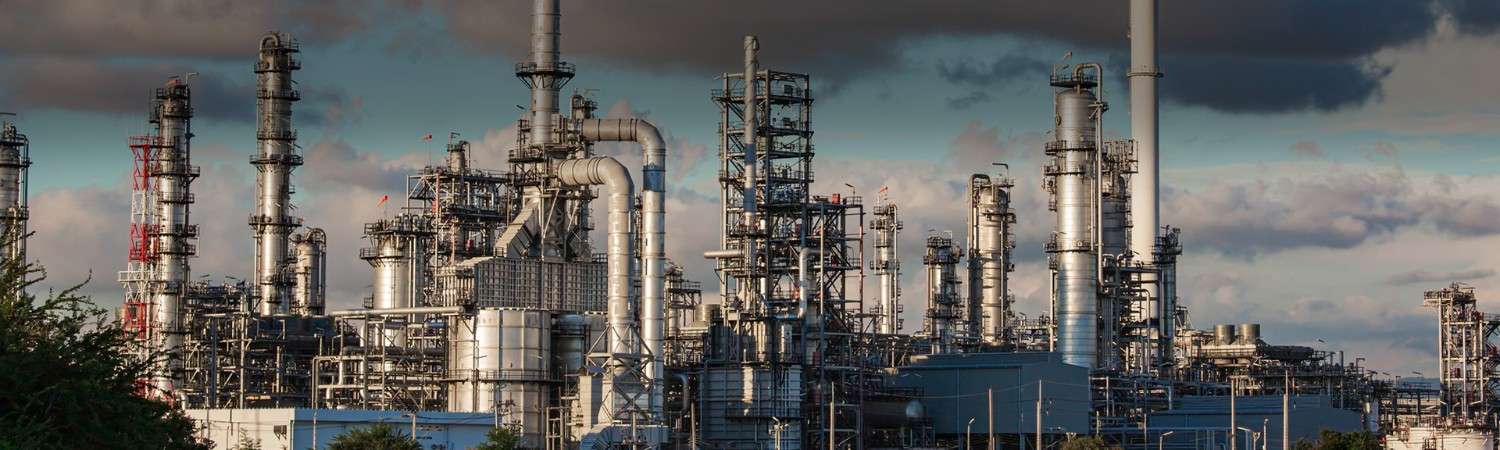
Excellent strength, durability, and good corrosion resistance makes UNS S32750/ASTM A182 suitable for oil and gas industries, chemical processing, marine engineering, and also in desalination systems.
The machinability of ASTM A182 / UNS S32750 (2507 Super Duplex Stainless Steel) is rated as being difficult because of its high strength, hardness, and abrasiveness. It has austenite and ferrite together in a dual-phase structure that gives 2507 steel excellent mechanical properties but difficult-to-machine characteristics.
Factors Influencing Machinability:
| Cr | Ni | Mo | C | N | Mn | Si | Cu | P | S | Fe |
|---|---|---|---|---|---|---|---|---|---|---|
| 24.0-26.0 | 6.0-8.0 | 3.0-5.0 | 0.030 Max | .24-.32 | 1.20 Max | 0.80 Max | 0.50 Max | 0.035 Max | 0.020 Max | Balance |
ASTM A182 / UNS S32750 (2507 Super Duplex Stainless Steel) is high-performance material combining excellent strength with superior resistance to corrosion in severe exposures, including strong corrosive chemical setting. Its dual phase microstructure consists of a ferrite-austenite mixture to provide the best possible resistance to pitting, crevice corrosion, and stress corrosion cracking, notably under chloride- and aggressive chemical-setting conditions.
While its machinability and welding properties demand special handling, the alloy’s strength, high yield, and economical make its challenges worthwhile. Industries using in oil and gas, marine, desalination, and chemical processing, which use this grade to perform for many years, include an application of 2507 Super Duplex.