
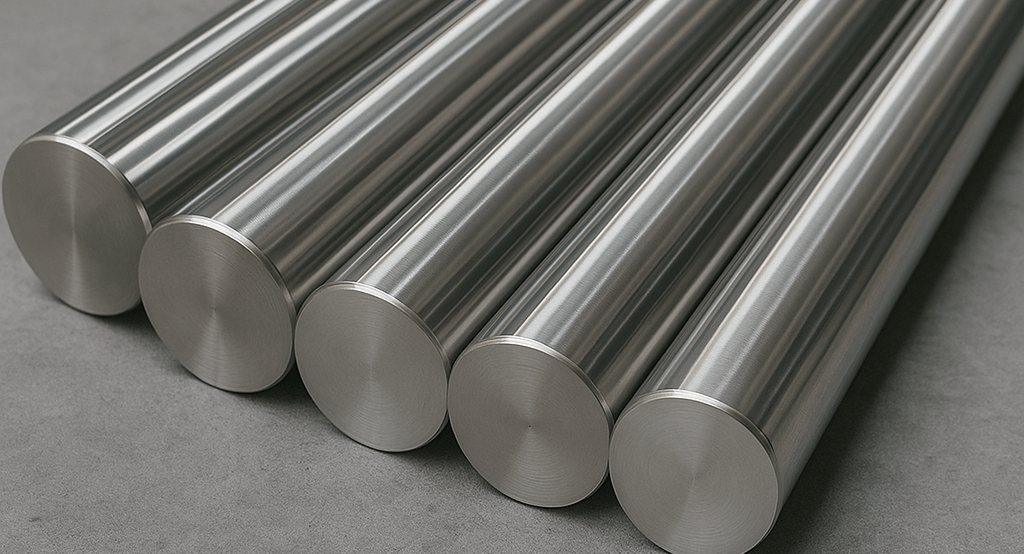
Excellent resistance to corrosion, high-temperature strength, and versatility in tough applications have made nickel bars popular within their most important roles. However, what actually brings out the performance potential in nickel is heat treatment—a very important process that appreciates certain aspects of the mechanical and physical properties of nickel and nickel alloys.
This blog will discuss how heat treating influences the performance of nickel bars, covering the benefits of heat treating, the techniques used, as well as its application in the industry.
Heat treatment is applied to nickel bars, particularly alloy-based ones such as Inconel, Monel, or Hastelloy. Nickel bars, with no heat treatment, might not stand up to the intensive requirements of extreme temperatures or corrosion. They are often treated to:
The table below highlights the specific improvements gained through the heat treatment process.
| Property | Before Heat Treatment | After Heat Treatment |
|---|---|---|
| Tensile Strength | Moderate | Significantly Increased |
| Corrosion Resistance | Good | Enhanced (esp. after solution annealing) |
| Ductility | Variable | Improved with stress relief |
| Fatigue Life | Average | Enhanced with refined grain structure |
Heat-treated nickel bars are essential in industries requiring high performance:
More than simply an additional process, heat treatment of nickel bars is in many cases a performance-enhancing option. Be it aerospace with superalloys or parts being produced in a corrosive environment, it takes proper heat treatment to significantly enhance the performance, safety, and service life of your materials.
