
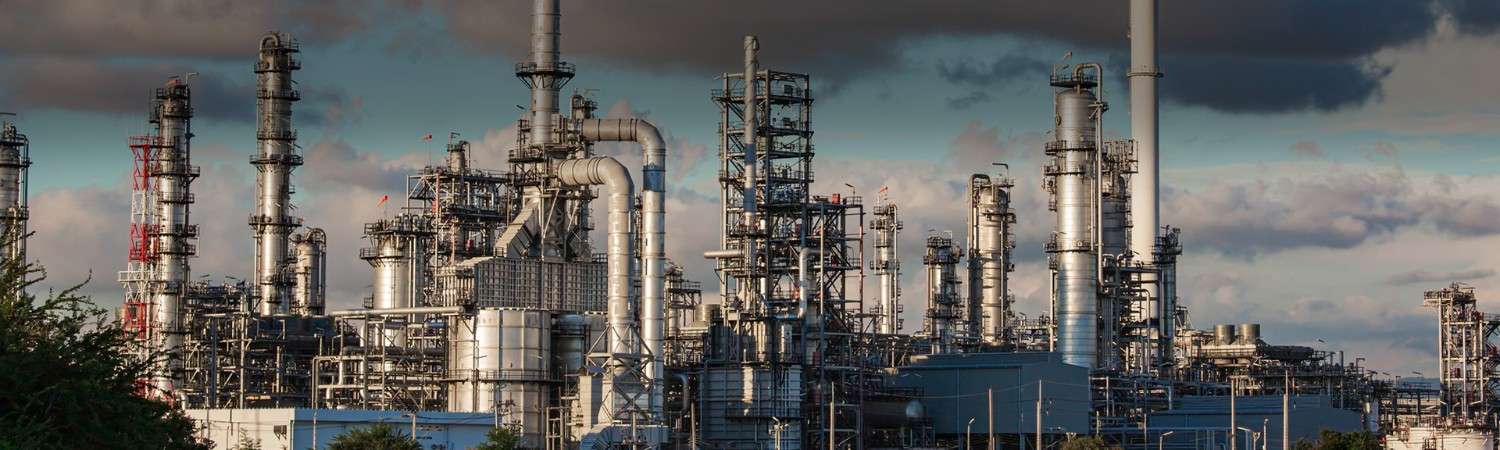
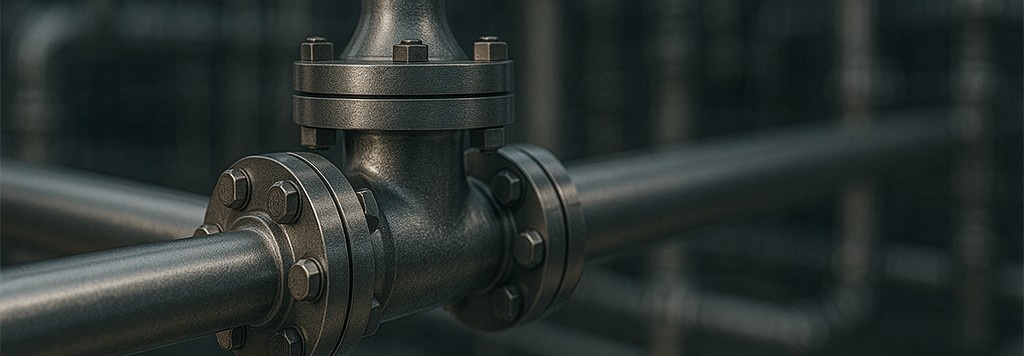
When speaking of working in some of the harshest conditions available on the planet, the oil and gas industry cannot afford to compromise with mediocre materials. High-pressure wells, sour gas deep wells, deep water environments, and subsea systems require materials that simply perform—they survive. The Inconel nickel-chromium-based superalloys family of high-performance materials has developed into a very important material in assuring reliability and safety in such harsh environments.
Inconel is a line of superalloys produced from nickel-chromium alloys that are famous due to their excellent service in harsh conditions. The defining feature of Inconel is a hard-to-find concurrence of high strength, thermal stability, and corrosive resistance even under the most severe conditions.
Inconel exhibits its mechanical properties in both cryogenic and high temperatures, unlike other standard stainless steels; this makes it most suitable in harsh environments which include extreme heat, pressure conditions, or even hostile chemicals. These involve oil and gas wells, jet engines, marine systems, and nuclear reactors.
The number of HPHT (High-Pressure, High-Temperature) wells is on the increase as oil companies drill further and in geologically more complex terrains. It is in these settings that:
Normal steel parts could warp or rust very fast in this type of environment. Inconel has the ability to withstand creep and fatigue as well as maintain structural integrity, making it perfect in:
The Inconel alloys have great benefits in welding and processing, including the fabrication of parts subject to high pressure, especially in oil and gas production where integrity under pressure is paramount. Nickel alloys (Inconel alloys) 625, 718, and 825 are known to have high levels of nickel and chromium and are designed to withstand high levels of heat and pressure as well as high levels of corrosion.
Among the best features is good weldability, particularly that of Inconel 625 and 718. These alloys are welded in regular or conventional processes like GTAW (TIG), GMAW (MIG), and SMAW (stick), and even using higher technology like electron beam welding. Inconel is ideally suited to harsh environments because welds are as corrosion-resistant and mechanically strong as the original material.
| Alloy | Key Features | Typical Use |
|---|---|---|
| Inconel 625 | Corrosion + fatigue resistance | Flowlines, risers, marine applications |
| Inconel 718 | High strength, creep resistance | Wellhead components, valves |
| Inconel 825 | Acid + chloride resistance | Piping, heat exchangers |
With the oil and gas business constantly stretching limits, working in deeper wells in harsher conditions, and under tougher safety regulations, materials such as Inconel become not only handy but vital. Whether deep in the ocean or far underneath the earth's surface, the power of Inconel in withstanding such intense pressure serves to maintain the flow of energy safely and efficiently.
