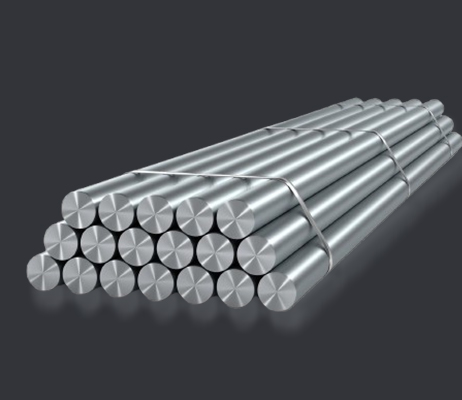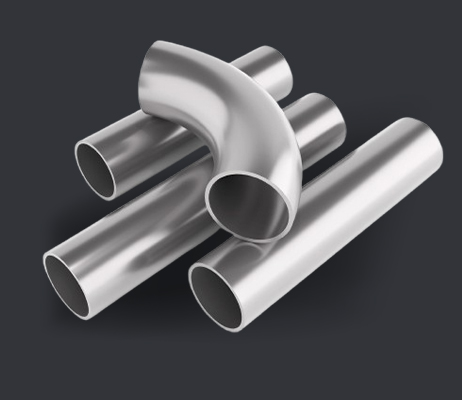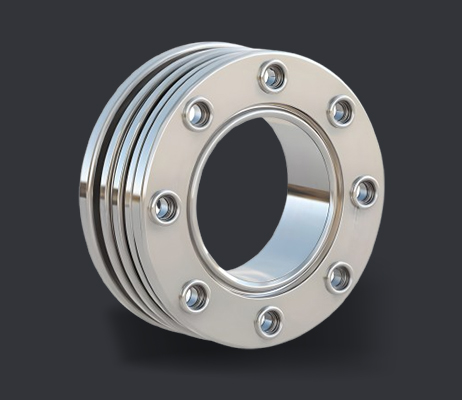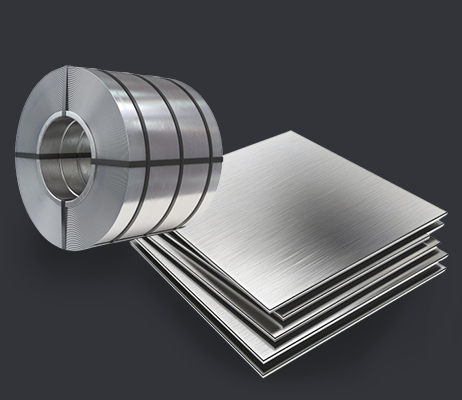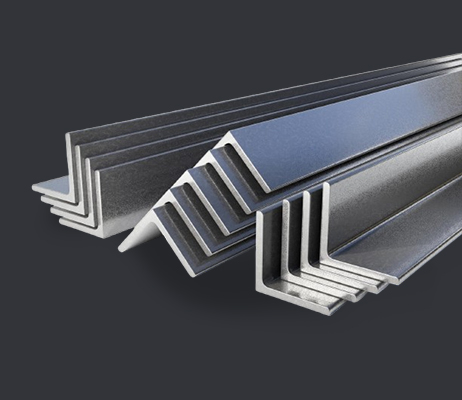
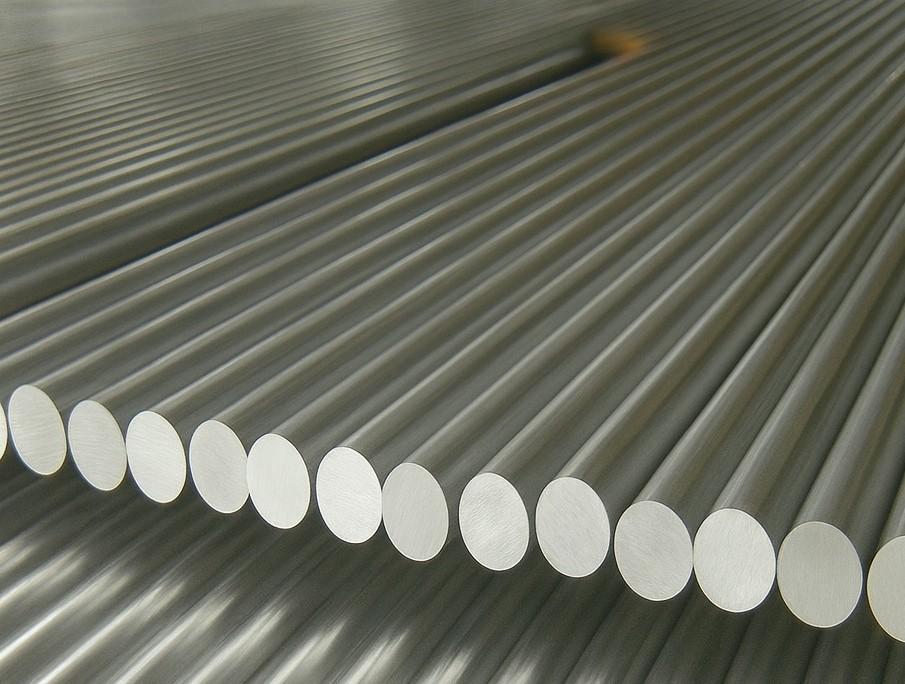
We are Monel 500 Round Bar, Plate manufacturer, supplier, exporter & dealer in Mumbai, India. A nickel-copper alloy monel 500 is famed to be exceptionally strong and resistant to corrosion. Whereas Monel 400 is praised for its corrosion resistance and ductility, Monel 500 is a special alloy used to give high strength by making use of the precipitation hardening process as well as maintaining good corrosion resistance in marine environments and also in chemicals. It is usually found with approximately 65 percent of nickel content and the remaining 28-34 percent copper content, as well as minute traces of aluminium, iron, and manganese among others.
The important feature which makes Monel 500 as a very specific material to be used is that it can be heat-treated in order to obtain the high-level mechanical characteristics. By means of a technique referred to as precipitation hardening (and also referred to as age hardening), Monel 500 may be hardened to a tensile benefit as high as twice that of Monel 400. This renders it especially beneficial where there is need of a high strength coupled with resistance to corrosion.
Monel 500, like monel 400, is very corrosion-resistant to seawater, alkalis, and certain acids, but its high strength makes it applicable in more rigorous structural work. It is resistant to stress corrosion cracking and pitting corrosion, being important in marine applications and chemical processing.
High Strength Precipitation Hardening
Monel 500 is developed to enhance with stand mechanical strength. Using heat treatment it can produce tensile strengths that are quite high compared to Monel 400 and this makes it usable in demanding structural purposes.
Superb Corrosion Resistance
It also maintains excellent corrosion resistance in sea water, alkaline and some acids. The nickel-copper composition makes it very good in resisting any form of pitting, crevice corrosion tubes and stress corrosion cracking.
Good Toughness / Ductility
At its impressive strength level, Monel 500 has decent toughness and competent ductility, which makes it suitable to meet the requirements of the mechanical stress and avoid fatigue.
Heat Treatable
Monel 500 is subject to controlled heat treatments that can harden and strengthen the material as well as provide flexibility in adjusting the mechanical characteristics to a particular application.
Monel 500 is about as well-known as it gets in a sector demanding a combination of both a high strength and high resistance to corrosion, in particular on the sea, and or in a chemically harsh one. The fact that it can be precipitation hardened means that it can be used where behaviour on stress is paramount.
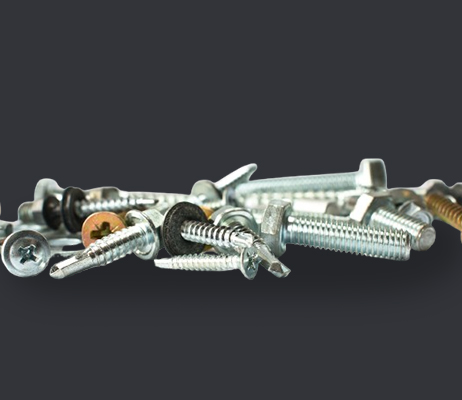
Monel 500 is used as marine hardware: fasteners, rivets, shafts, and springs in the marine industry. Its capability of withstanding seawater and the associated bio fouling enhances the livelihood and predictability of parts subjected to hostile oceanic environments.
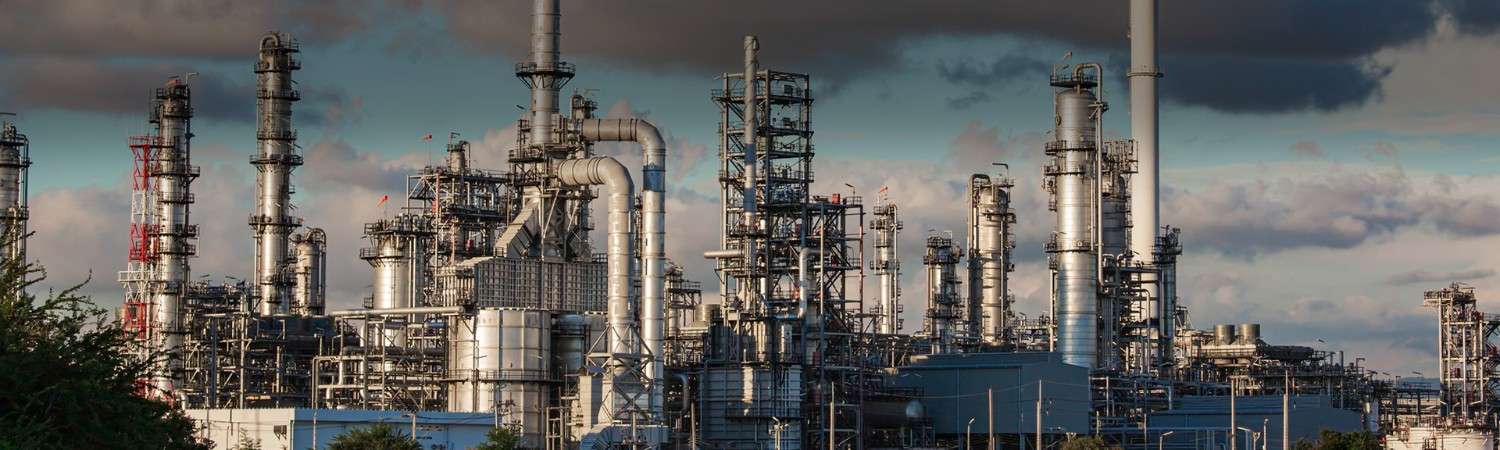
In chemical processing sectors, the alloy also finds wide use in valves, pump shafts and heat exchangers which have to be used in highly corrosive atmospheres bearing some degree of mechanical stress.
Monel 500 is a high-strength-to-weight ratio material with resistance to corrosion and is used in aerospace applications to apply to parts requiring mechanical stress and temperature changes where alloy resistance to corrosion is necessary.
| Nickel (plus Cobalt) | 63% min |
| Carbon | 0.25% max |
| Manganese | 1.5% max |
| Manganese, Mn | 2 max |
| Iron | 2% max |
| Sulfur | 0.01% max |
| Silicon | 0.5% max |
| Copper | 7–33% |
| Aluminum | 2.30–3.15% |
| Titanium | 0.35–0.85% |
High-performance nickel copper alloy Monel 500 has been famous because of its unique combination of high strength and material resistance to corrosion. This special attraction of mechanical properties (beyond those of ordinary Monel 400) makes it highly useful where, in stressed surfaces touches are needed with high resistance to shock and prolonged endurance in demanding service.
This alloy has excellent capabilities of marine applications where they are required to resist seawater corrosion and bio fouling. It also finds extensively fit in the chemical processing industry, the aerospace industry, and the oil and gas industry, where these parts of equipment may be subject to severe corrosive agents that the components must resist, and the mechanical integrity of the part must be sustained.