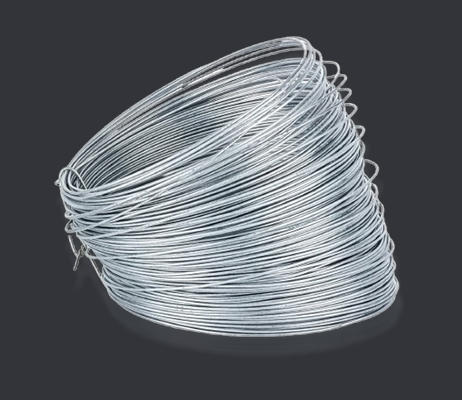
Stainless Steel 347 Filler Wire is a niobium-stabilized austenitic stainless steel welding consumable designed for applications requiring excellent resistance to intergranular corrosion, oxidation, and high-temperature environments. Due to its stabilized composition, SS 347 filler wire offers improved resistance to chromium carbide precipitation during welding and high-temperature service conditions.
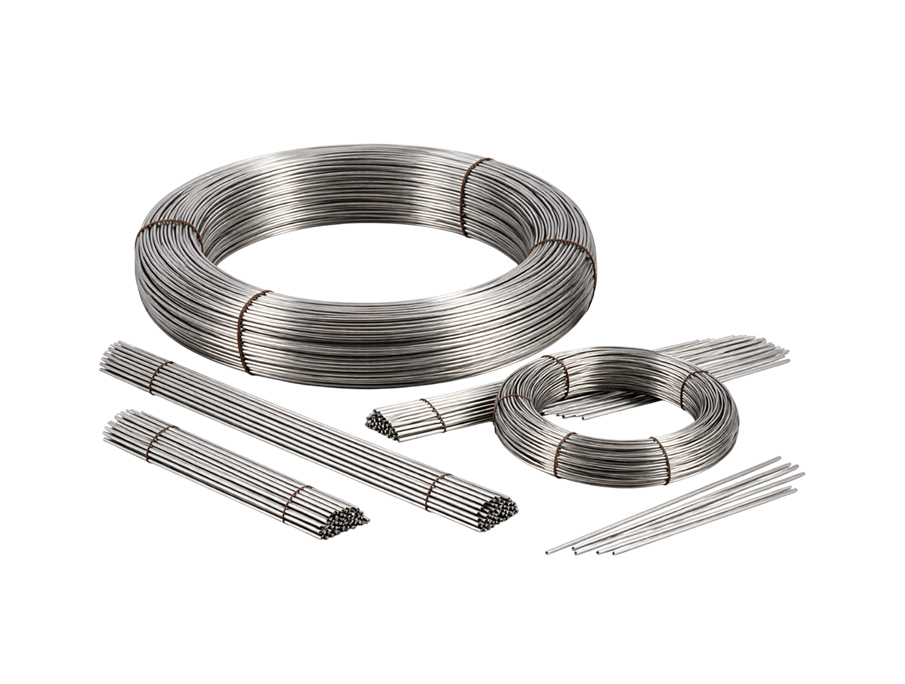
SS 347 filler wire is widely used for welding stainless steel components that operate in elevated temperatures where conventional stainless steel filler metals may lose corrosion resistance. The addition of niobium (columbium) stabilizes the alloy, preventing carbide precipitation at grain boundaries and ensuring long-term corrosion resistance even after prolonged exposure to temperatures ranging from 425°C to 870°C.
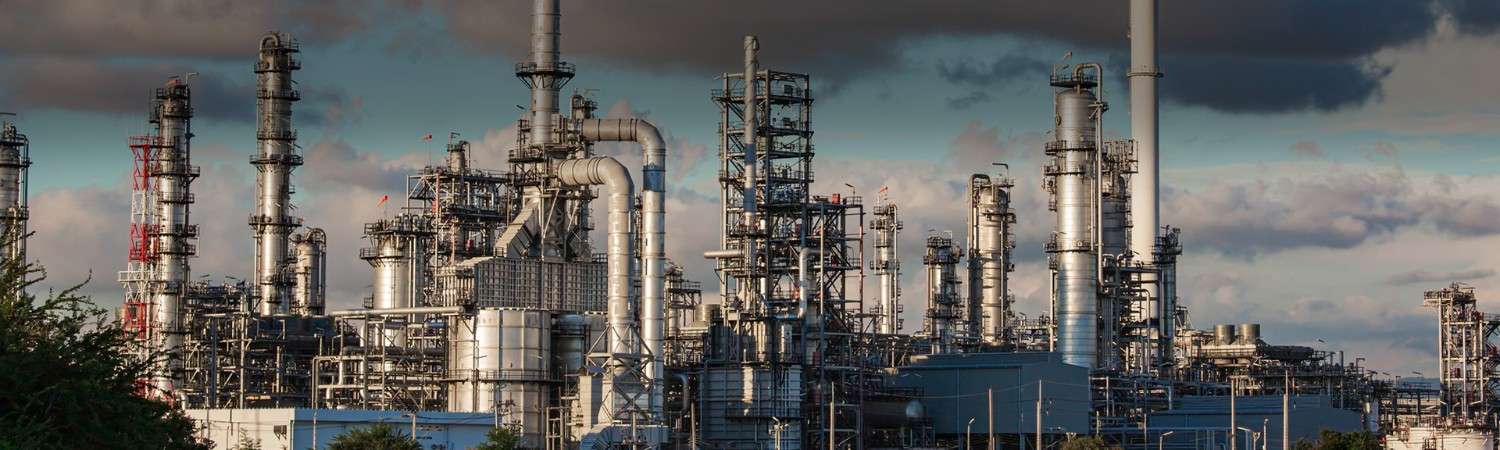
Stainless Steel 347 filler wires are commonly used in industries such as petrochemical processing, power generation, aerospace, chemical manufacturing, and oil & gas. They are particularly suitable for welding stainless steels like 321, 347, and other stabilized grades used in high-temperature service.
Manufactured according to international welding standards, SS 347 filler wires provide excellent arc stability, smooth feeding characteristics, and high-quality weld bead appearance. These features ensure efficient welding performance and reliable weld joints in demanding industrial environments.
Because of their excellent resistance to thermal fatigue, oxidation, and corrosion, Stainless Steel 347 filler wires are widely preferred for welding components exposed to cyclic heating and cooling conditions.
The performance of Stainless Steel 347 filler wire depends on its carefully controlled chemical composition, which ensures stabilization and corrosion resistance.
Typical chemical composition includes:
| Element | Composition (%) |
|---|---|
| Chromium (Cr) | 17.0 – 20.0 |
| Nickel (Ni) | 9.0 – 13.0 |
| Carbon (C) | ≤ 0.08 |
| Manganese (Mn) | ≤ 2.0 |
| Silicon (Si) | ≤ 1.0 |
| Phosphorus (P) | ≤ 0.03 |
| Sulfur (S) | ≤ 0.03 |
| Niobium + Tantalum (Nb + Ta) | 10 × C min – 1.0 max |
| Iron (Fe) | Balance |
Niobium is the key stabilizing element in SS 347 filler wire. It forms stable carbides that prevent chromium carbide precipitation, helping maintain corrosion resistance in welded structures.
Stainless Steel 347 filler wires offer excellent mechanical properties that make them suitable for structural welding applications.
Typical mechanical properties include:
| Property | Value |
|---|---|
| Tensile Strength | ≥ 520 MPa |
| Yield Strength | ≥ 205 MPa |
| Elongation | ≥ 30% |
These properties ensure strong and durable weld joints capable of handling mechanical stress and high-temperature service conditions.
Stainless Steel 347 filler wire offers stable physical characteristics that help maintain its performance in elevated temperature environments.
Typical physical properties include:
| Property | Value |
|---|---|
| Density | 7.96 g/cm³ |
| Melting Range | 1400 – 1450°C |
| Modulus of Elasticity | 193 GPa |
| Thermal Conductivity | 16.2 W/m·K |
| Coefficient of Thermal Expansion | 16.7 µm/m°C |
These physical characteristics ensure dimensional stability and reliable performance in industrial welding applications.
Stainless Steel 347 filler wires are available in a variety of sizes and forms to suit different welding processes.
Typical specifications include:
Manufacturing processes ensure uniform diameter, smooth surface quality, and consistent chemical composition for reliable welding performance.
Stainless Steel 347 filler wire is widely used in industries where welded components must perform in high-temperature and corrosive environments.
Petrochemical Industry
Power Generation Industry
Aerospace Industry
Chemical Processing Industry
Oil and Gas Industry
Heat Treatment Equipment
Stainless Steel 347 filler wires undergo strict quality testing to ensure reliable performance and compliance with international standards.
Typical inspection procedures include:
These quality control processes ensure that the filler wires meet industry requirements and deliver consistent welding performance.
Stainless Steel 347 filler wires are carefully packaged to maintain quality and prevent contamination during transportation.
Common packaging options include:
Protective packaging materials ensure that the filler wire remains clean, dry, and ready for use.
Stainless Steel 347 Filler Wire is a high-performance welding consumable designed for applications requiring excellent resistance to intergranular corrosion, oxidation, and high temperatures. Its niobium-stabilized composition prevents chromium carbide precipitation, ensuring long-term corrosion resistance in welded structures exposed to elevated temperatures.
With excellent weldability, strong mechanical properties, and superior thermal stability, SS 347 filler wire is widely used in industries such as petrochemical processing, power generation, aerospace, and chemical manufacturing.
Using high-quality Stainless Steel 347 filler wires manufactured according to international standards ensures strong, durable weld joints and reliable performance in demanding industrial environments.