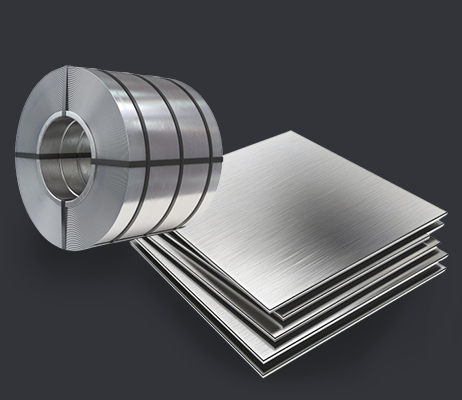
Virami Steel Hub is a trusted manufacturer, supplier, stockist, and exporter of premium-quality Tantalum Sheets & Plates in Mumbai, India. We offer high-performance tantalum products known for their exceptional corrosion resistance, high melting point, and superior performance in highly aggressive chemical environments.
Our Tantalum sheets and plates are manufactured using high-purity raw materials and advanced processing techniques to ensure precise dimensions, excellent surface finish, superior mechanical properties, and long service life. We cater to both domestic and international markets, including the USA, Europe, the Middle East, Africa, and Southeast Asia.
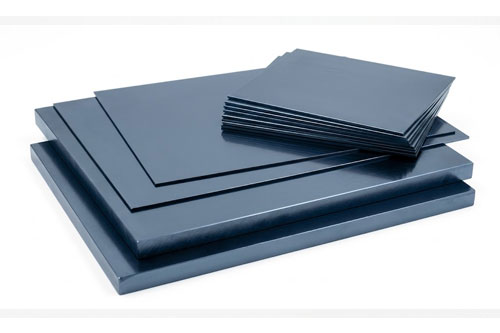
Tantalum is a rare, corrosion-resistant metal known for its outstanding resistance to acids and extreme temperatures. Tantalum sheets and plates are widely used in industries where materials must withstand highly corrosive environments and maintain stability under extreme conditions.
Key Functions:
Typical Composition:
This high purity ensures superior corrosion resistance and stable performance.
Tantalum sheets and plates offer outstanding resistance to:
Tantalum is considered one of the most corrosion-resistant metals available.
Tantalum is generally used in its annealed condition.
Typical Process:
This enhances formability and performance.
Tantalum offers good weldability under controlled conditions.
Welding Methods:
Best Practices:
Surface Finish Options:
Mill Test Certificates (MTC) and third-party inspection reports are provided.
Tantalum Sheets & Plates are an excellent choice for applications requiring extreme corrosion resistance and high-temperature stability. Their unique properties make them indispensable in chemical, medical, and high-tech industries.
Virami Steel Hub delivers premium-quality Tantalum products that ensure performance, reliability, and long-term value.
Tantalum is used in chemical processing, electronics, medical, and aerospace industries.
Yes, it offers exceptional resistance to most acids and corrosive environments.
Yes, it has a very high melting point (~3017°C).
Yes, with proper inert or vacuum conditions.
Yes, due to its excellent biocompatibility.