
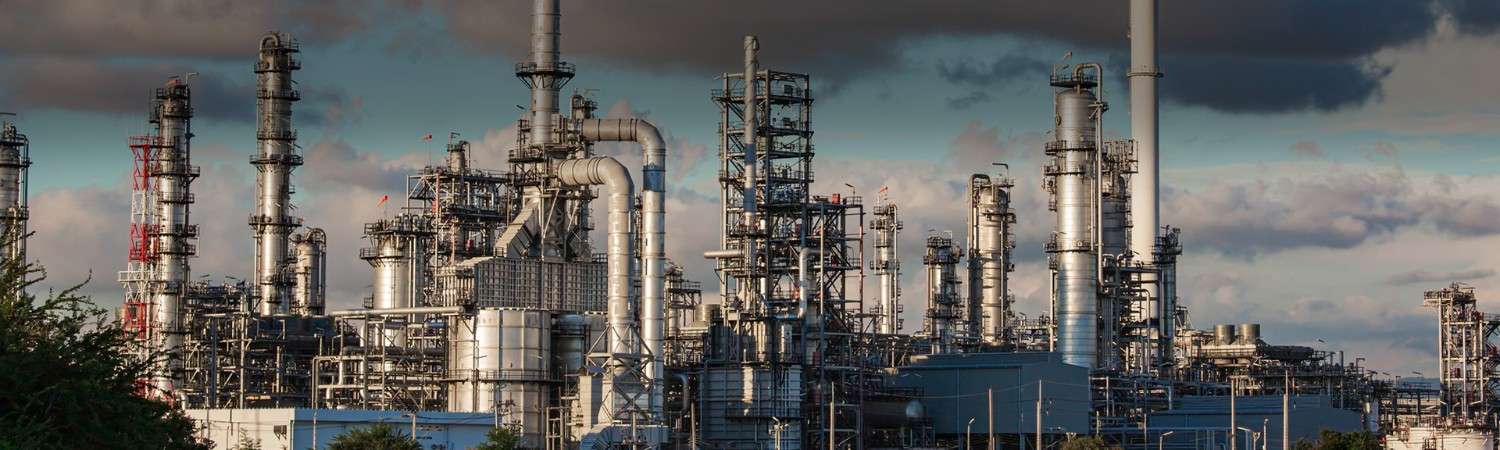
In the world of steam and power generation, where systems operate under extreme pressures and high temperatures, the choice of materials is critical. The longevity, efficiency, and safety of components depend on their ability to withstand these demanding conditions. One material that plays a pivotal role in ensuring the success of these systems is Alloy Steel ASTM A182 F5. This high-performance alloy steel is favoured for its strength, corrosion resistance, and thermal stability, making it a go-to choice for applications in steam turbines, boiler components, and other critical power generation equipment.
In this blog, we will dive deep into the importance of ASTM A182 F5 alloy steel in steam and power generation systems, exploring its key properties, advantages, and applications that make it indispensable for ensuring efficient and reliable operation in the energy sector.
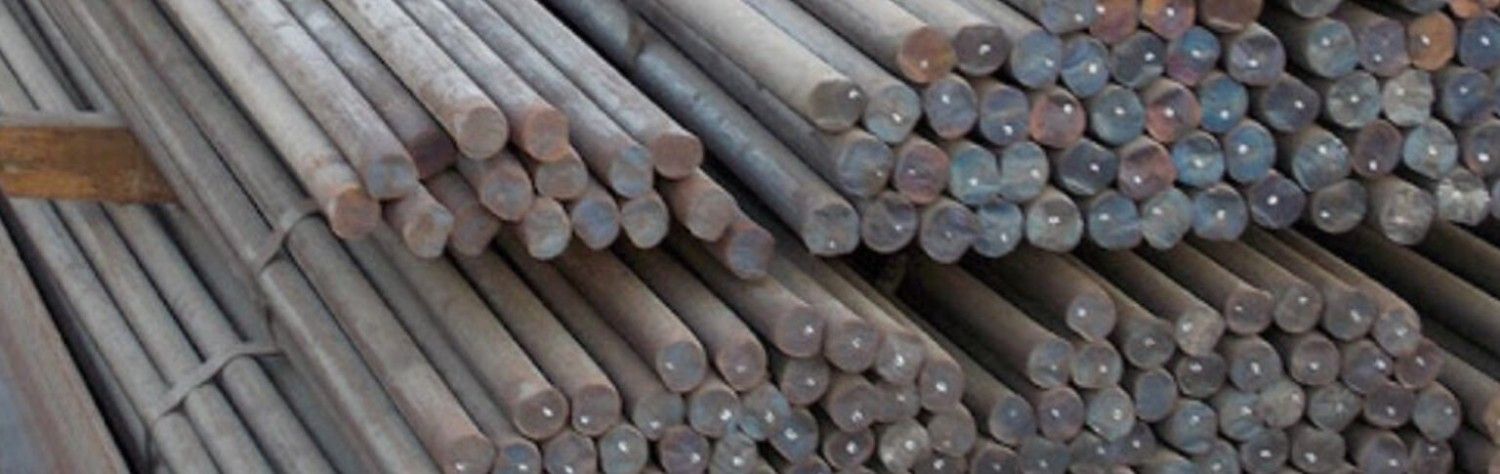
ASTM A182 F5 is a forged alloy steel with a chromium content of approximately 5% and molybdenum (0.5% – 1.0%), which enhances its ability to resist high-temperature oxidation and creep. It is typically used in the production of flanges, valves, turbine components, and pipe fittings. The material’s composition gives it a unique combination of strength, thermal resistance, and resistance to corrosive environments, which are all critical properties for steam and power generation applications.
Power generation systems, particularly steam boilers and turbines, operate in high-temperature environments, often exceeding temperatures of 500°C (932°F). The ability of a material to maintain its strength and structural integrity under such conditions is essential for the reliability and safety of the equipment.
Alloy Steel ASTM A182 F5 excels in this area thanks to its high chromium content, which allows the material to retain its yield strength and tensile strength even at elevated temperatures. The 5% chromium provides excellent resistance to oxidation and carbide precipitation, ensuring that the material maintains its performance over extended periods of use in extreme heat.
In power plants, systems are often exposed to both high pressures and temperatures simultaneously. This creates a challenging environment where materials must resist not only thermal degradation but also the mechanical stresses induced by high-pressure steam.
Alloy Steel ASTM A182 F5 is designed to perform under these extreme conditions. The material’s tensile strength and yield strength make it particularly well-suited for pressure-containing components such as valves, flanges, and piping.
The steam and power generation industry is prone to exposure to aggressive substances like water, steam, and sometimes even acids. These conditions can lead to corrosion, especially in systems operating in seawater or with high-sulfur content fuels.
Alloy Steel ASTM A182 F5 provides enhanced corrosion resistance, particularly to high-temperature oxidation and sulfur-related corrosion. The combination of chromium and molybdenum in the alloy offers protection against these aggressive environmental factors, ensuring the durability of power generation systems.
The versatility of ASTM A182 F5 alloy steel is one of the key reasons why it’s so widely used in steam and power generation systems. It’s employed in a range of critical components:
Boiler Components: F5 alloy steel is used in boiler tubes, headers, nozzles, and manifolds, where it is exposed to high pressure and temperature during steam generation.
Turbine Parts: High-performance turbine components such as blades, discs, and rotors are often made from ASTM A182 F5 to withstand the thermal stresses and mechanical forces generated during steam expansion.
The Vital Role of ASTM A182 F5 in Steam and Power Generation Systems In steam and power generation, Alloy Steel ASTM A182 F5 is an essential material that helps ensure the efficient, safe, and reliable operation of critical equipment. Its high strength at elevated temperatures, excellent corrosion resistance, and ability to withstand high-pressure environments make it an ideal choice for power generation systems that operate under extreme conditions.
