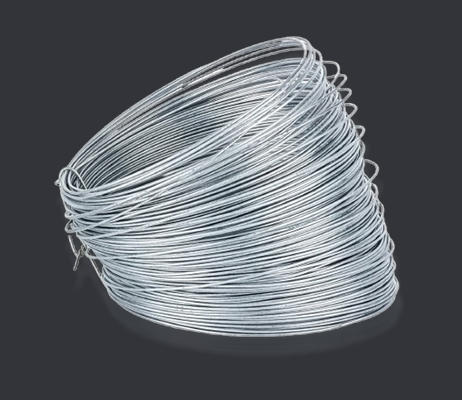

Virami Steel Hub is a trusted manufacturer, supplier, stockist, and exporter of premium-quality Titanium Grade 23 Filler Wire in Mumbai, India. We supply high-performance titanium welding filler wires designed to deliver excellent mechanical strength, superior corrosion resistance, and consistent welding performance in demanding industrial environments.
Our Titanium Grade 23 filler wires are manufactured using high-grade titanium alloys and advanced production technologies to ensure precise chemical composition, excellent weldability, and high structural reliability. These filler wires are widely used in applications where strong mechanical properties, biocompatibility, and corrosion resistance are essential.
With a strong distribution network and efficient logistics system, Virami Steel Hub supplies Titanium Grade 23 filler wires across India and exports globally to countries in the USA, Europe, the Middle East, Africa, and Southeast Asia. Our products comply with international quality standards, ensuring dependable performance and long service life in critical industrial and medical applications.
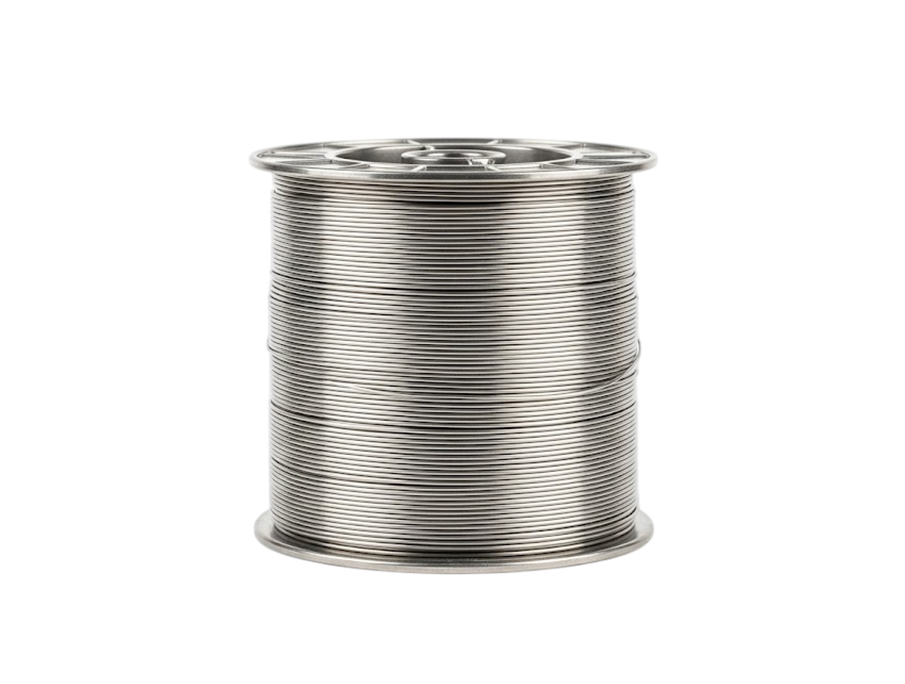
Titanium Grade 23 Filler Wire, commonly designated as ERTi-23 or UNS R56401, is a titanium alloy welding wire known as the Extra Low Interstitial (ELI) version of Titanium Grade 5 (Ti-6Al-4V). It contains lower levels of oxygen, nitrogen, carbon, and iron, which improves toughness and ductility while maintaining excellent strength.
Titanium Grade 23 is widely recognized for its excellent biocompatibility, high strength-to-weight ratio, and superior corrosion resistance. These properties make it particularly suitable for medical implants and aerospace components where reliability and structural integrity are critical.
The alloy contains aluminum and vanadium, which enhance mechanical strength and fatigue resistance. Titanium Grade 23 filler wire is commonly used for welding Ti-6Al-4V ELI components, titanium alloys, and titanium structures.
Due to its exceptional performance and reliability, Titanium Grade 23 filler wire is widely used in industries such as aerospace, medical device manufacturing, marine engineering, chemical processing, and high-performance engineering applications.
Key Features of Titanium Grade 23 Filler Wire
Titanium Grade 23 filler wires offer several important performance advantages that make them suitable for demanding welding applications.
These characteristics make Titanium Grade 23 filler wire an ideal welding material for high-performance engineering and medical applications.
The typical chemical composition of Titanium Grade 23 filler wire includes the following elements:
| Element | Composition (%) |
|---|---|
| Titanium (Ti) | Balance |
| Aluminum (Al) | 5.5 – 6.75% |
| Vanadium (V) | 3.5 – 4.5% |
| Oxygen (O) | 0.13% maximum |
| Iron (Fe) | 0.25% maximum |
| Carbon (C) | 0.08% maximum |
| Nitrogen (N) | 0.05% maximum |
| Hydrogen (H) | 0.0125% maximum |
Role of Key Alloying Elements
The controlled composition of these elements ensures superior mechanical performance and excellent weldability.
Titanium Grade 23 filler wires offer excellent mechanical strength and durability in demanding applications.
These mechanical properties ensure welded joints maintain exceptional strength and resistance to fatigue.
Titanium Grade 23 filler wires possess stable physical characteristics suitable for high-performance applications.
These properties contribute to excellent thermal stability and reliable welding performance.
One of the key advantages of Titanium Grade 23 filler wire is its excellent resistance to corrosion in various environments.
It provides strong resistance to:
Due to its corrosion resistance and biocompatibility, Titanium Grade 23 filler wire is widely used in medical implants, aerospace components, and marine structures.
Titanium Grade 23 filler wire is generally used in the as-welded condition, but heat treatment may be applied to optimize mechanical properties.
Stress Relief Process
Annealing
These processes help maintain structural integrity and mechanical performance.
Titanium Grade 23 filler wire offers excellent weldability and is compatible with several welding processes.
Common welding methods include:
Welding Recommendations
These practices ensure strong, defect-free weld joints with excellent corrosion resistance.
Titanium Grade 23 has moderate machinability due to its high strength and work-hardening characteristics.
Recommended machining practices include:
These techniques help improve machining efficiency and surface finish.
Virami Steel Hub supplies Titanium Grade 23 filler wires according to internationally recognized standards.
Available Sizes
Surface Finish
Custom sizes and packaging options are available based on client specifications and industrial requirements.
Titanium Grade 23 filler wire is widely used in several industries due to its excellent strength, corrosion resistance, and biocompatibility.
Aerospace Industry
Medical Industry
Marine Industry
Chemical Processing Industry
High-Performance Engineering
These applications highlight the reliability and versatility of Titanium Grade 23 filler wire in demanding industrial environments.
At Virami Steel Hub, every batch of Titanium Grade 23 filler wire undergoes strict quality testing procedures to ensure compliance with international standards.
Quality checks include:
We provide Mill Test Certificates (MTC) according to ASTM and AWS standards, and third-party inspection services are available upon request.
Virami Steel Hub ensures secure packaging and efficient delivery for all orders.
Our logistics network ensures safe transportation and timely delivery across domestic and international markets.
Titanium Grade 23 Filler Wire is a high-performance welding material known for its exceptional strength, corrosion resistance, and biocompatibility. It is widely used for welding titanium components in industries such as aerospace, medical device manufacturing, marine engineering, and chemical processing.
Virami Steel Hub supplies premium-quality Titanium Grade 23 filler wires manufactured according to international standards, ensuring superior welding performance, durability, and long service life in demanding industrial and medical applications.