
Grade 12 titanium welds well but is reactive; therefore, precautions are necessary when welding it. Such precautions include preparation before welding, shielding during welding, and proper heat input to eliminate the possibility of oxidation, embrittlement, or cracking in weldments. When this is done, Grade 12 titanium can be welded into strong, reliable components that retain the inherent corrosion resistance and mechanical properties of the base material.
Composition:
Applications:
Properties:
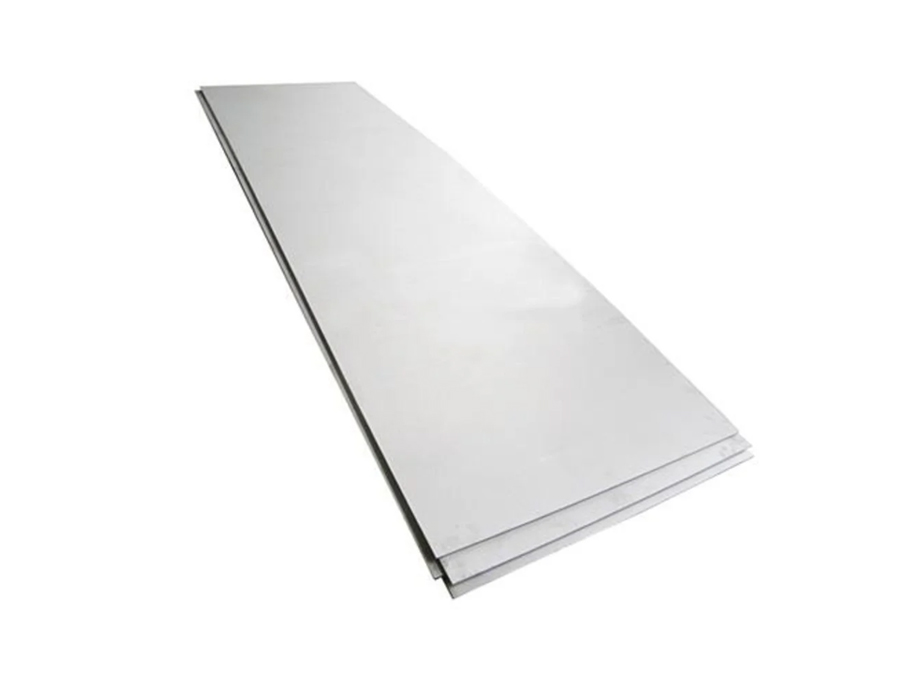
This alloy, titanium ASTM B381 Grade 23, or more commonly known as 6AL-4V ELI, is the extra low interstitial titanium alloy characterized by the author with 6% aluminium and 4% vanadium and minimized values of the interstitial elements oxygen, nitrogen, and carbon. The ELI designation represents improved ductility, fracture toughness, and biocompatibility in critical applications, such that superior mechanical properties combined with corrosion resistance are insured in such applications.
Titanium ASTM B381 Grade 23 (6AL-4V ELI) is stiff to machine compared to many other materials using standard techniques with regular tools. This is primarily because of low thermal conductivity and tends to galling, in addition to being a highly strong material. Comparatively, it is easier to machine than commercial-pure titanium grades but needs proper techniques and tools for good results.
The shielding gas should be applied both during the welding process and in order to back-purge the root of the weld to prevent oxidation on the underside. Input Heat Control The most critical feature of titanium welding is that the heat input must control. High heat input causes distortion, embrittlement, and cracking in the weld area. Thus, low heat input and high welding speed must ensure in order to minimize the heat input to the base material.
Post-Weld Treatment:
This Grade 12 titanium, generally speaking, does not require post weld heat treatment; but, it can be used when residual stresses in the material need to be relieved and its properties enhanced. The weld may be protected from oxidation on the inside by using argon or helium for back purging to keep one surface of the weld and the other surface under inert atmosphere.
| Element | Titanium, Ti | Aluminum, Al | Vanadium, V | Iron, Fe | Carbon, C | Nitrogen, N | Hydrogen, H | Other, each | Other, each |
|---|---|---|---|---|---|---|---|---|---|
| Content (%) | 88.09 – 91 | 5.5 – 6.5 | 3.5 – 4.5 | ≤ 0.25 | ≤ 0.080 | ≤ 0.030 | ≤ 0.0125 | ≤ 0.10 | ≤ 0.40 |
Titanium ASTM B381 Grade 23 (6AL-4V ELI) is one of the top class premium products that offer extraordinary strength and lightweight properties, as well as superior corrosion resistance and biocompatibility. The ELI grade raises its extra toughness and ductility to take it up to perfect use in hard applications, especially those in aerospace, medical, and chemical processing industries.