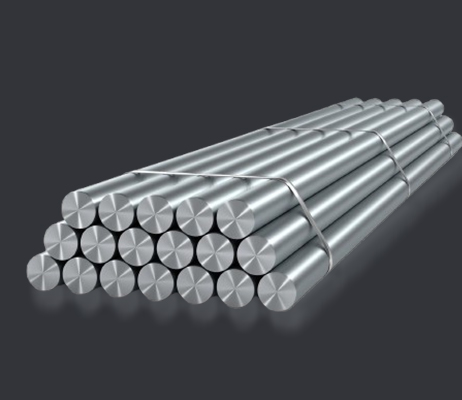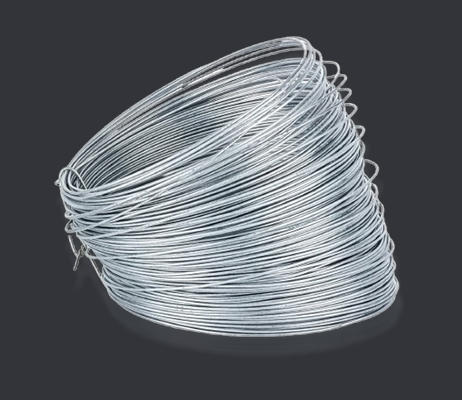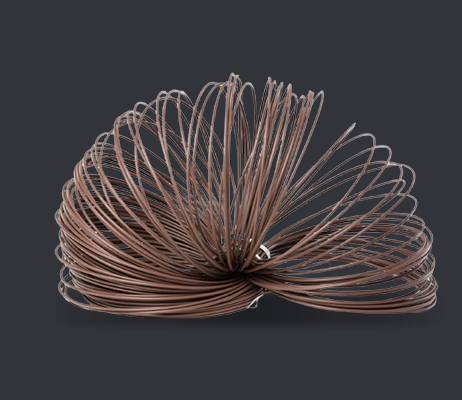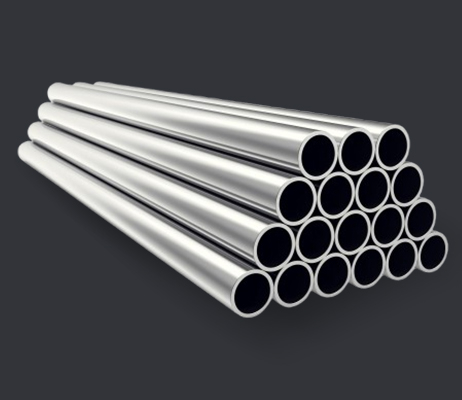

Virami Steel Hub is a leading manufacturer, supplier, stockist, and exporter of high-performance Tungsten Carbide Wires in Mumbai, India. Our tungsten carbide wires are engineered for exceptional hardness, wear resistance, and thermal stability, making them ideal for cutting, industrial tooling, electronics, aerospace, and precision engineering applications.
We produce wires with precise diameters, uniform composition, and high purity, meeting international standards. Our products are supplied across India and exported globally to the USA, Europe, the Middle East, Africa, and Southeast Asia, ensuring competitive pricing, certified quality, and timely delivery.
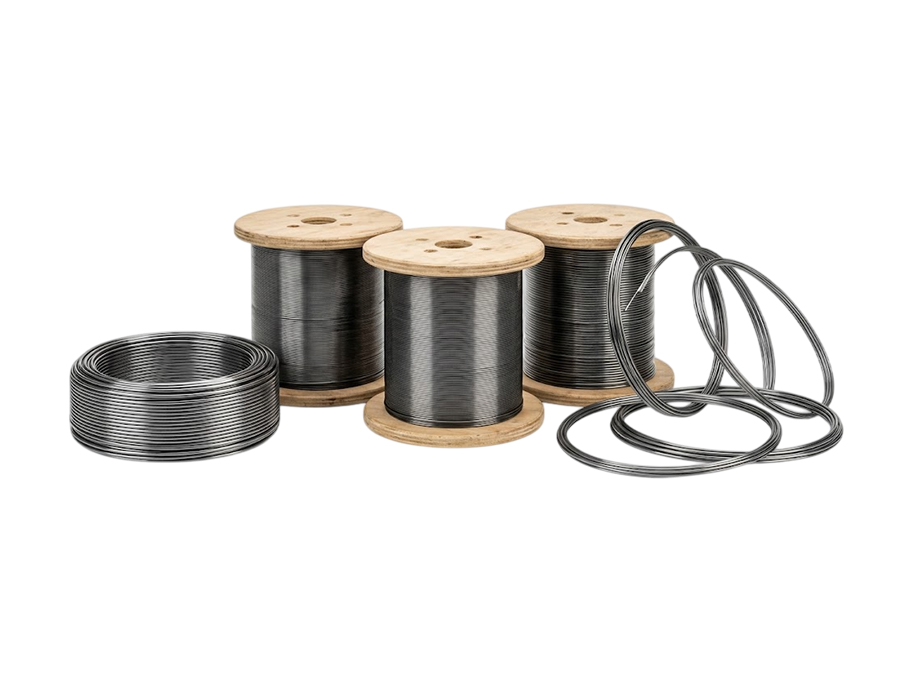
Tungsten carbide (WC) is a metal-ceramic composite formed from tungsten and carbon, renowned for its extreme hardness, wear resistance, and high melting point (≈ 2,870°C). Tungsten carbide wires are produced by powder metallurgy, sintering, and drawing processes, resulting in wires with consistent diameter, tensile strength, and surface finish.
These wires are widely used in industrial cutting tools, precision machinery, medical devices, and high-performance applications where durability and hardness are essential.
Key Features of Tungsten Carbide Wires
Tungsten carbide wires offer unmatched performance in demanding conditions:
These features make tungsten carbide wires indispensable for cutting, machining, and high-wear industrial applications.
Tungsten carbide wires are typically composed of:
| Element | Composition (%) |
|---|---|
| Tungsten (W) | 82 – 95% |
| Carbon (C) | 4 – 6% |
| Cobalt (Co) | 5 – 10% (binder) |
| Other metals/impurities | ≤ 1% |
Role of Key Elements
Tungsten (W): Provides high hardness, density, and thermal resistance.
Carbon (C): Combines with tungsten to form tungsten carbide, creating hardness and wear resistance.
Cobalt (Co) binder: Enhances toughness and mechanical strength, enabling flexibility in applications.
This carefully controlled composition ensures durability, hardness, and structural stability for demanding industrial applications.
Tungsten carbide wires combine high hardness with moderate toughness, making them ideal for cutting, precision tooling, and wear-intensive applications.
These properties ensure performance under extreme temperature and mechanical stress.
Tungsten carbide wires are extremely resistant to:
This makes them suitable for industrial machining, cutting tools, dies, and wear-resistant components.
Tungsten carbide wires undergo sintering at high temperatures (1400–1600°C) to achieve:
Optional surface treatments like nickel plating or TiN coating may be applied to enhance corrosion resistance and reduce friction for specific applications.
Tungsten carbide wires are difficult to weld directly due to their ceramic nature. Recommended joining methods include:
Proper joining techniques maintain wire integrity, hardness, and performance.
Tungsten carbide wires are extremely hard, so machining requires specialized techniques:
These methods ensure precision and dimensional accuracy in industrial tooling applications.
Virami Steel Hub supplies tungsten carbide wires in compliance with:
Available Sizes:
Surface Finishes:
Custom finishes are available to meet aerospace, cutting tool, and industrial specifications.
Industrial Tooling and Cutting
Aerospace & Defense
Electronics & Electrical
Chemical and Mechanical Industry
Tungsten carbide wires are ideal wherever hardness, wear resistance, and dimensional stability are critical.
All tungsten carbide wires undergo rigorous quality control at Virami Steel Hub:
Mill Test Certificates (MTC) are provided as per ISO and ASTM standards. Third-party inspection is available on request.
Our logistics network ensures safe and timely delivery worldwide.
Tungsten carbide wires are ultra-hard, wear-resistant, and thermally stable wires designed for industrial, aerospace, chemical, and electronics applications. Their exceptional hardness, corrosion resistance, and precision make them ideal for cutting tools, EDM applications, aerospace components, and high-performance industrial tools.
Virami Steel Hub supplies certified tungsten carbide wires manufactured to international standards, ensuring durability, precision, and long-term reliability in the most demanding environments worldwide.