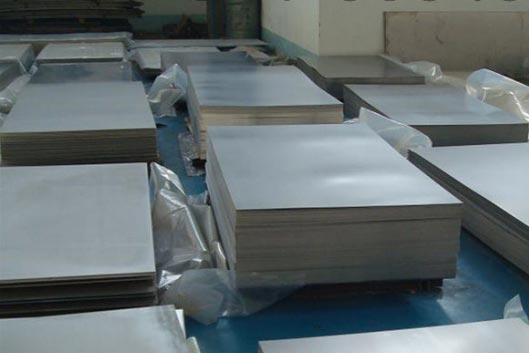
Out of all the materials, not many can match the strength of Hastelloy in seriously corrosive spots. With its additional properties, the nickel-molybdenum-chromium alloy is chosen for good reasons by industries seeking top corrosion resistance. We need to understand what makes this material stand out in corrosion resistance and how to handle it during fabrication.
Hastelloy C22 is famous for providing great corrosion resistance and superior mechanical features. Still, the makeup of the alloy makes it difficult to manufacture, so manufacturers and fabricators must deal with these challenges to get the best out of the final product.
A major problem with Hastelloy C22 is that it work-hardens quickly. Therefore, the processing area will become hard quickly, making further machining or shaping much more difficult. For these reasons, tooling must be made with highly resistant materials and cutting must happen more slowly to protect the performance of the tool.
As it is much more durable than regular stainless steels, Hastelloy C22 can be a little harder to process and weld. In addition, if welding is done wrong, it may reduce how corrosive the joint is or result in cracking.
Use ERNiCrMo-10 or ERNiCrMo-3 as the filler metal in Hastelloy C22 welds for maximum resistance of welds to corrosion.
Pre-Weld CleaningWash all surfaces completely to remove oil, oxides, and dirt. The chances of flawed welds are lowered and secure fusion is achieved.
Try to Keep the Heat LowUsing moderate temperatures cuts down the chances of hot cracking and warping. Helping metal cool correctly is possible when welders choose TIG or GTAW or follow the proper welding parameters.
Maintain Interpass TemperaturesKeep the difference between the leaving and entering temperatures as low as possible. Maintain the temperature of the interpass between 120°C and 170°C (250°F and 335°F) to preserve both the sensitization resistance and the exposure to corrosion.
Post-Weld TreatmentsIn general, Hastelloy C22 is not heated following welding, though stress relieving can enhance its useful properties in applications with high stress.
Using the right welding approaches and watching the details closely, Hastelloy C22 can be welded or fabricated successfully to keep its good corrosion resistance and strong mechanical properties. When you use these suggestions, your components will last and deliver high performance in any demanding setting.
