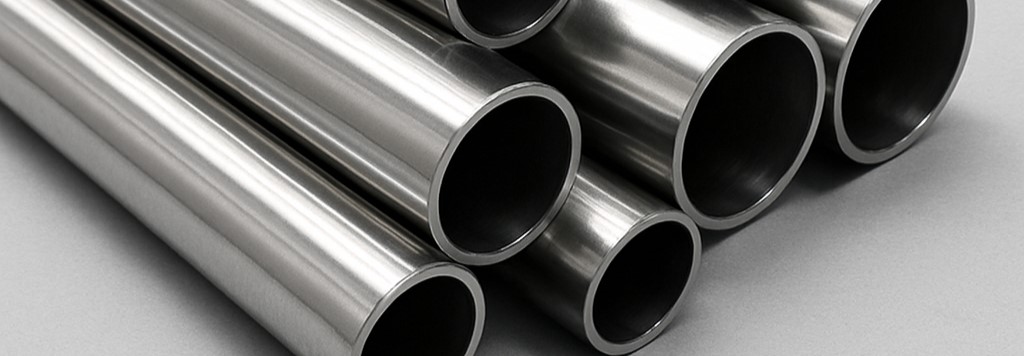
Weldability is very important when it concerns the fabrication of piping systems in industrial, chemical, or food-grade piping systems. 304L stainless steel is one of the most popular materials used in such equipment because it is the low-carbon alternative of the highly demanded 304 steel.
So what really makes 304L stainless steel pipes the right choice when it comes to welding? Why is it such a popular choice in both the fabrication and design of welded systems? Let us take a closer exploring look at the metallurgical and practical reasons for its popularity.
The letter 'L' in 304L refers to "Low Carbon," meaning that the 304L cannot have more than 0.03 percent carbon content in its composition, unlike the ordinary 304 which possesses a maximum of 0.08 percent carbon content.
The heat involved in the welding process has the ability to precipitate carbides at the grain boundaries. This may cause intergranular corrosion in regular 304, particularly where there is corrosion. 304L does not have this problem, and post-weld corrosion resistance is much improved, making it perfect in chemical processing, water treatment, and food industries.
2. Excellent Weldability without Pre- or Post-Heat TreatmentStainless steel 304L provides:
Pre-heating and post-weld heat treatment are not necessary, which:
Since it reduces the production of chromium carbide, 304L:
This is particularly helpful in:
304L is frequently utilized because of its dependable performance in welded connections in:
304L is recognized for its exceptional weld quality in pressure-rated pipe by standards such as ASTM A312 and ASME SA312.
5. Flexibility in Fabrication and Code Compliance304L is specified or advised for stainless pipe welding by numerous welding standards (such as ASME, AWS, and ISO) for the following reasons:
304L stainless steel pipes are a popular option for welded piping systems because of their low carbon content, excellent resistance to corrosion, and ease of welding without the need for heat treatment. From high-pressure industrial systems to food-grade and pharmaceutical installations, 304L provides clean weld integrity, low maintenance, and long-term dependability.
